Who this is for: These card games are perfect for players who enjoy a mix of strategic thinking, immersive narratives, and polished gameplay—whether you’re a casual fan or a dedicated card game enthusiast.
Card games experienced an unprecedented surge in July 2025, driven by players seeking strategic depth and nostalgic comfort during the summer gaming lull. From classic solitaire variants to innovative UNO-style experiences, these titles captured millions of hours of engagement across mobile and web platforms. The combination of familiar mechanics with fresh visual storytelling proved irresistible to both casual players and dedicated card game enthusiasts.
Solitaire Classic Klondike
The timeless appeal of Klondike solitaire gets a polished digital treatment that respects the original while adding subtle quality-of-life improvements. The card animations feel satisfying without being distracting, and the hint system strikes the perfect balance between helpful guidance and preserving the challenge. Those moments when you finally clear a stubborn tableau pile create genuine satisfaction that keeps you coming back for “just one more game.”
The game’s success demonstrates that sometimes the best innovation is simply executing the classics flawlessly. Its minimal monetization approach and focus on pure gameplay experience have resulted in impressive retention rates, proving that quality still trumps aggressive monetization in the solitaire space.
4 Colors
This UNO-inspired card game brings the classic color-matching formula to digital perfection with crisp visuals and responsive AI opponents. The pacing feels just right – fast enough to maintain excitement but allowing time for strategic thinking about which cards to save. The special action cards create those delicious moments of revenge when you drop a Draw Four on an opponent who’s down to their last card.
The game’s success highlights the enduring appeal of accessible competitive card games. Its implementation of fair AI and balanced special card distribution has created a loyal player base that appreciates skill-based gameplay over pure luck mechanics.
Solitaire Emperor – Secrets of Fate
This narrative-driven solitaire experience weaves an engaging story around traditional card mechanics, creating something that feels both familiar and fresh. The ancient Chinese setting provides gorgeous artwork that transforms each level into a visual treat. What sets it apart is how the story progression genuinely motivates you to tackle increasingly challenging layouts, making each victory feel meaningful beyond just clearing cards.
The integration of narrative elements with traditional solitaire mechanics represents a growing trend in the casual gaming space. By adding story progression and thematic coherence, developers are successfully extending session lengths and improving player retention in a traditionally quick-play genre.
Magic Tri Peaks Solitaire
The Tri Peaks variant gets a magical makeover with spell-casting power-ups and enchanted card effects that add strategic depth to the classic formula. The fantasy theme isn’t just cosmetic – magical abilities like card revealing and suit changing create genuine tactical decisions. Those satisfying chain reactions when you clear multiple peaks in sequence feel even more rewarding with the accompanying magical particle effects.
The successful integration of power-up mechanics into traditional solitaire demonstrates how classic card games can evolve without losing their core appeal. The game’s balanced approach to monetizing these magical abilities through optional purchases rather than forced progression has resonated well with players.
Klondike Classic (1 or 3 cards)
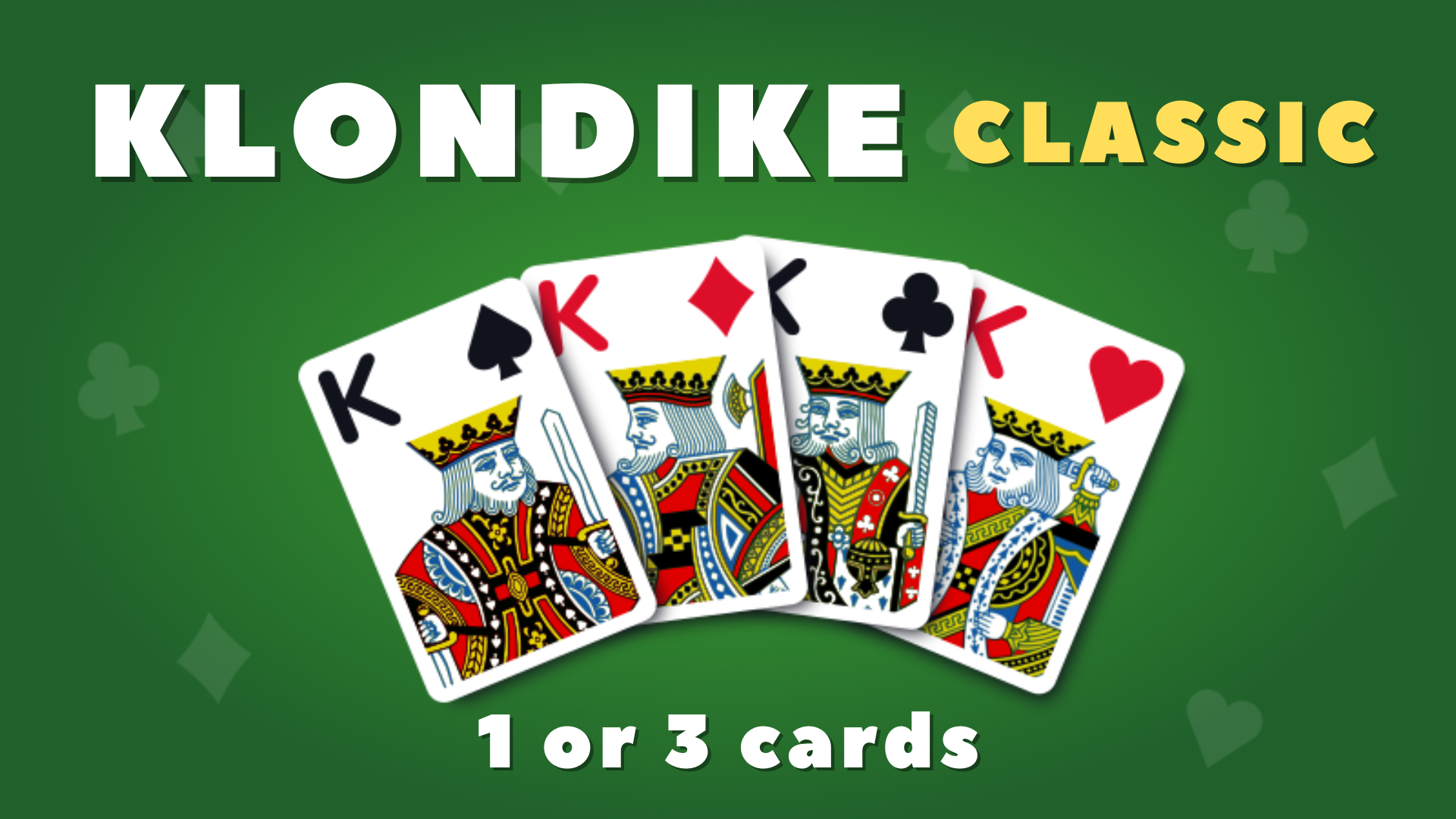
Klondike Classic (1 or 3 cards) is a faithful take on the classic Klondike Solitaire format, giving players the choice to draw either 1 or 3 cards from the stockpile. Whether you’re arriving from Spider, Solitaire, or another card game, the rules will feel familiar — and if this is your very first solitaire experience, the game is designed to pull you in quickly.
How to play: The goal is to move all cards into four foundation piles at the top of the field, building each suit from Ace up to King. Down in the tableau columns, cards are arranged from King down to Ace with alternating suit colors. Cards can be moved into these columns from the stockpile or from other columns, uncovering new cards as you go.
- Drag: Move cards between columns manually
- Tap: Automatically send a card to the most suitable column
Magic Story of Solitaire
This ambitious title combines multiple solitaire variants with an overarching fantasy narrative that spans kingdoms and magical realms. Each chapter introduces different card layouts and mechanics, keeping the gameplay fresh while maintaining story continuity. The character development and world-building feel surprisingly substantial for a card game, creating emotional investment that extends far beyond individual hands.
The game represents the evolution of narrative-driven casual gaming, where story elements are becoming as important as core mechanics. Its success demonstrates that players are willing to engage with longer-form content in traditionally quick-play genres when the storytelling quality justifies the investment.
Emerland Solitaire
Set in a lush fantasy realm, this solitaire adventure combines environmental storytelling with cleverly designed card puzzles that feel organic to the world. The emerald-themed visual design creates a cohesive aesthetic that makes each level feel like exploring a different part of an enchanted forest. The progressive difficulty and unlock system create a genuine sense of adventure as you venture deeper into Emerland’s mysteries.
The game’s environmental design was inspired by real-world emerald mines in Colombia, with each level’s color palette based on actual geological formations.
Emerland Solitaire’s success lies in its cohesive world-building approach, where every visual element reinforces the fantasy setting. This thematic consistency has proven particularly effective in the casual gaming market, where atmosphere and mood often matter as much as core gameplay mechanics.
Solitaire Crime Stories
This noir-inspired solitaire game transforms card-clearing into detective work, with each completed layout revealing clues in an ongoing murder mystery. The atmospheric jazz soundtrack and film noir visual style create an immersive experience that makes you feel like a 1940s detective. The way story revelations are tied to gameplay progress creates genuine motivation to tackle even the most challenging card arrangements.
The game’s mysteries are written by actual crime fiction authors, with each case featuring multiple possible suspects and red herrings that change based on player choices.
The game’s innovative fusion of detective fiction with solitaire mechanics has opened up new possibilities for narrative integration in card games. Its success demonstrates that players appreciate sophisticated storytelling even in traditionally simple game formats, paving the way for more genre-blending experiments.
Solitaire Klondike – Treasure Island
This pirate-themed Klondike variant transforms the familiar card mechanics into a swashbuckling treasure hunt across tropical islands. The nautical soundtrack and detailed island backgrounds create an adventurous atmosphere that makes each game feel like a new expedition. Special treasure cards and pirate-themed power-ups add strategic depth while maintaining the core Klondike experience that players love.
The game’s success highlights the enduring appeal of pirate themes in gaming, while demonstrating how classic card mechanics can be enhanced through thematic coherence. Its approach to integrating adventure elements without overwhelming the core solitaire experience has become a template for other themed card games.
Emily’s Hotel Solitaire
This charming time-management meets solitaire hybrid follows Emily as she renovates and manages a boutique hotel through card-based puzzles. Each completed solitaire layout earns resources for hotel improvements, creating a satisfying progression loop that extends far beyond individual card games. The character development and hotel customization options provide long-term goals that keep players engaged across multiple sessions.
The game’s success demonstrates the power of combining familiar card mechanics with progression systems and character development. Its appeal to players seeking both immediate card game satisfaction and long-term goal achievement has influenced numerous other hybrid casual games in the market.
Tri Peaks Emerland Solitaire
This sequel to Emerland Solitaire focuses specifically on the Tri Peaks variant while maintaining the lush fantasy world that made the original so appealing. The mountain-peak card layouts feel naturally integrated into the emerald forest setting, with each level representing a different mystical summit to conquer. The enhanced magical effects and nature-themed power-ups create spectacular visual moments when you achieve long card sequences.
The game features dynamic weather systems that affect gameplay, with rain making certain cards harder to see and sunshine providing bonus points for quick plays.
The game’s focus on a single solitaire variant while expanding the world-building demonstrates how successful franchises can deepen rather than broaden their appeal. Its environmental storytelling approach has influenced other developers to consider how game mechanics can reinforce thematic elements.
ZAP
This fast-paced card matching game strips away complexity in favor of pure reflexes and pattern recognition, creating an almost arcade-like experience. The electric theme and pulsing soundtrack create an energetic atmosphere that makes each successful match feel like a lightning strike. The escalating speed and increasingly complex patterns demand total focus, making it perfect for short, intense gaming sessions.
ZAP was originally designed as a reaction-time training tool for pilots, before being adapted into a commercial card game that tests visual processing speed.
ZAP’s success in the card game space demonstrates that there’s still room for pure skill-based experiences that prioritize reflexes over strategy. Its minimal monetization model and focus on high-score competition have created a dedicated speedrunning community that extends the game’s longevity.
4 Color Card Game
This polished take on the UNO formula adds subtle refinements that enhance the classic color-matching experience without overwhelming newcomers. The AI opponents display distinct personalities and playing styles, making each game feel like facing different human opponents. The special card effects are satisfying without being overpowered, maintaining the delicate balance that makes color-matching games endlessly replayable.
The game’s sophisticated AI development represents a significant investment in creating authentic competitive experiences for solo players. This focus on AI personality and strategy variation has become increasingly important as more traditional multiplayer games adapt to single-player formats.
Vikings
This Norse-themed card adventure combines traditional solitaire mechanics with Viking mythology and conquest elements that create an epic sense of progression. Each completed layout represents a successful raid or settlement, with earned resources contributing to your clan’s expansion across Scandinavia. The runic card designs and atmospheric Nordic soundtrack immerse you in the harsh beauty of the Viking age.
Vikings demonstrates how historical themes can elevate traditional card mechanics when executed with attention to authenticity and detail. Its success has inspired other developers to explore historical periods as rich sources of thematic content for casual games, moving beyond fantasy and modern settings.
TL;DR
July 2025’s card game surge was driven by sophisticated narrative integration, polished classic mechanics, and innovative AI opponents that created authentic competitive experiences. From the noir mysteries of Solitaire Crime Stories to the historical authenticity of Vikings, developers successfully elevated traditional card games through thematic coherence and quality storytelling. The month’s standout titles proved that players value both nostalgic familiarity and meaningful innovation, setting new standards for how classic card mechanics can evolve while maintaining their timeless appeal. These games collectively demonstrate that the card game genre remains vibrant and capable of surprising both casual players and dedicated enthusiasts.