









Dungeon Cards
About Dungeon Cards: Turn-Based Card Roguelike Dungeon Descent
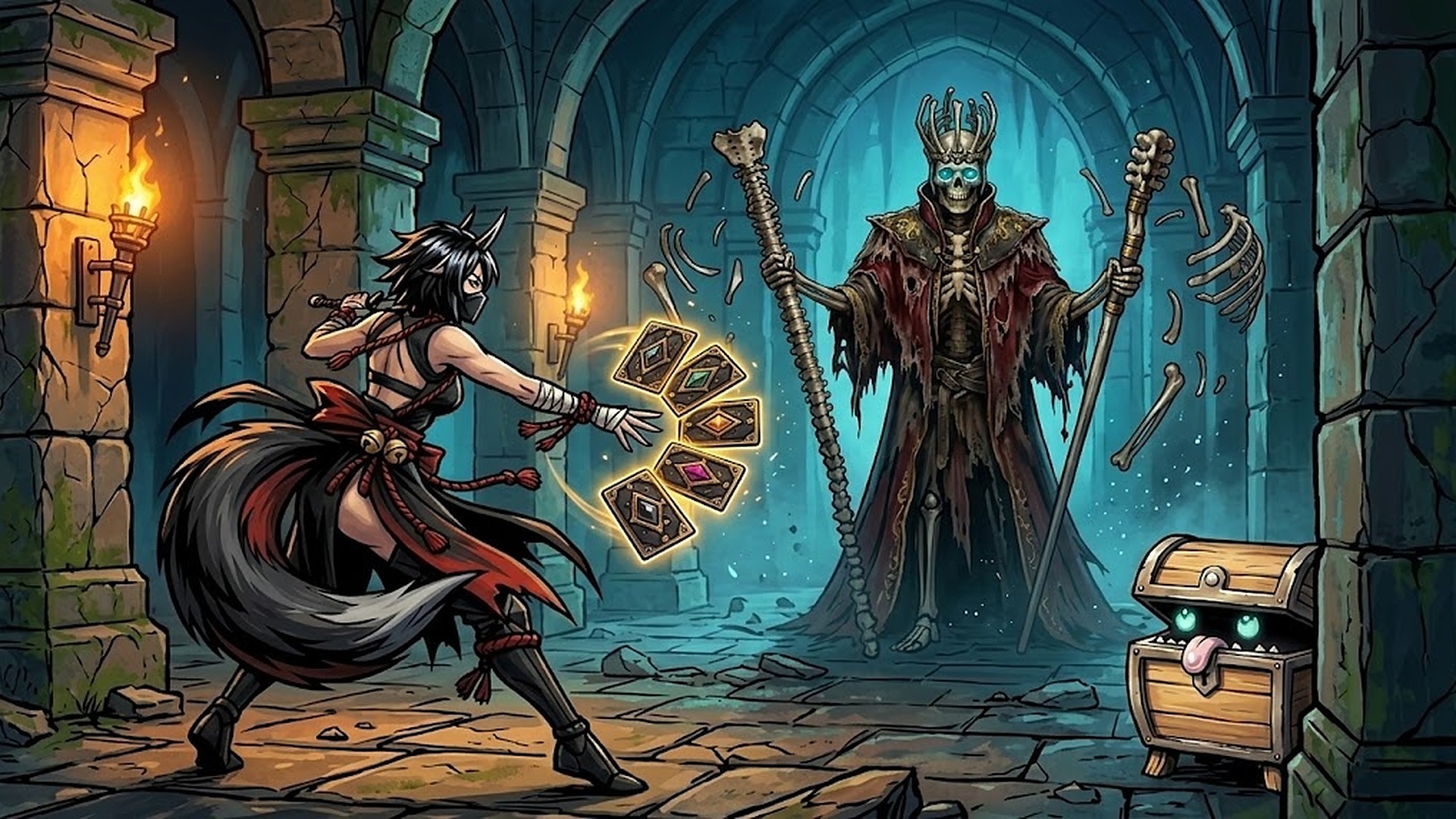
Dungeon Cards is a turn-based card roguelike built around a descent through ten floors spread across five regions — from the Crypts all the way down to the Inferno. Each floor presents a branching map of encounters: battles, elites, a shop, an altar, events, a camp, and a treasury. A stair warden or a region boss guards the end of every floor, and at the very bottom waits the Deck Devourer. Clearing that final threat is not quite the end — more steps lie below.
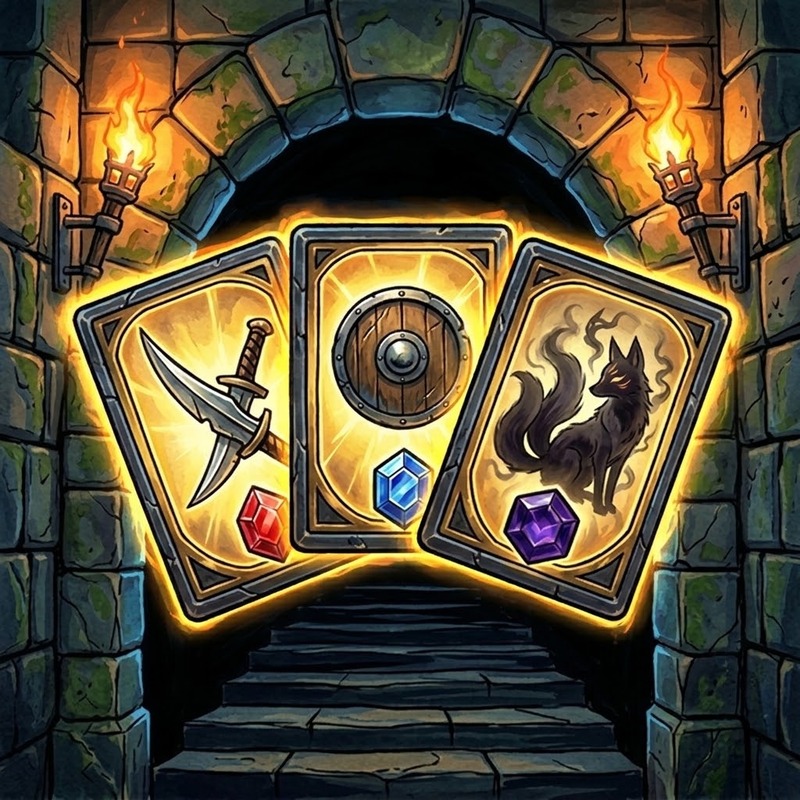
Rather than an energy system, the game enforces a card limit per turn: two combat cards and two maneuvers. Every decision carries weight because the hand is finite and the enemy's next move is always visible above it. With 320+ cards, 65 relics, 56 enemies each carrying their own intents, and 40 events, no two runs play out the same. Champions, floor curses, and two bosses per region add further variation, while Chronicle unlocks, hero mastery, challenges, Depths I–X, and a daily descent extend the game well past a first clear. Prozhora the mimic appears through chests, gifts, and finds, offering card backs and foils.
Heroes
- Shadow-and-poison assassin: a stealth-and-venom style
- Elven archer: ranged combat focus
- Gold-hungry pirate: economy-driven playstyle
- Van Helsing: fights with bolts
- Demon-handed witch: dark magic approach
- Monk of stances: stance-based combat
How to Play Dungeon Cards: Descend Ten Floors and Defeat the Bottom
The goal is to reach the tenth floor and defeat whatever waits there. On the floor map, a path is chosen from available nodes — battles, a shop, an altar, events, and a camp are all options. The elite encounter and the floor warden at the end cannot be bypassed.
Reading the Floor Map
Each floor offers forks that let a run be shaped around its needs. Stopping at a camp or altar before a boss fight is a meaningful choice; the elite and warden are fixed stops that must be faced regardless of the route taken.
Playing Cards in Battle
In a battle, a card is dragged onto the enemy to play it. Each turn allows two combat cards — Attack (▲) and Defense (■) — and two Maneuvers (◆). The enemy's intent is displayed above it, showing what action it will take after the turn ends.
Status Effects and Card Terms
- Block: absorbs incoming damage and fades at the start of the next turn
- Poison: hurts the enemy and weakens it over time
- Invisibility: turns aside one hit
Individual card terms are explained directly next to each card. The full rules are available in the in-game "How to play" section. Progress is saved on the floor map, and language and sound settings are accessible through the gear icon.
Controls
- Drag card onto enemy (mouse): play a card in battle
- Touch and drag (phone): play a card in battle
- Hourglass seal: end your turn — the enemy acts and the hand refills to 5 cards
- Space key: end your turn — the enemy acts and the hand refills to 5 cards
- Gear icon: open language and sound settings
Games You Might Like
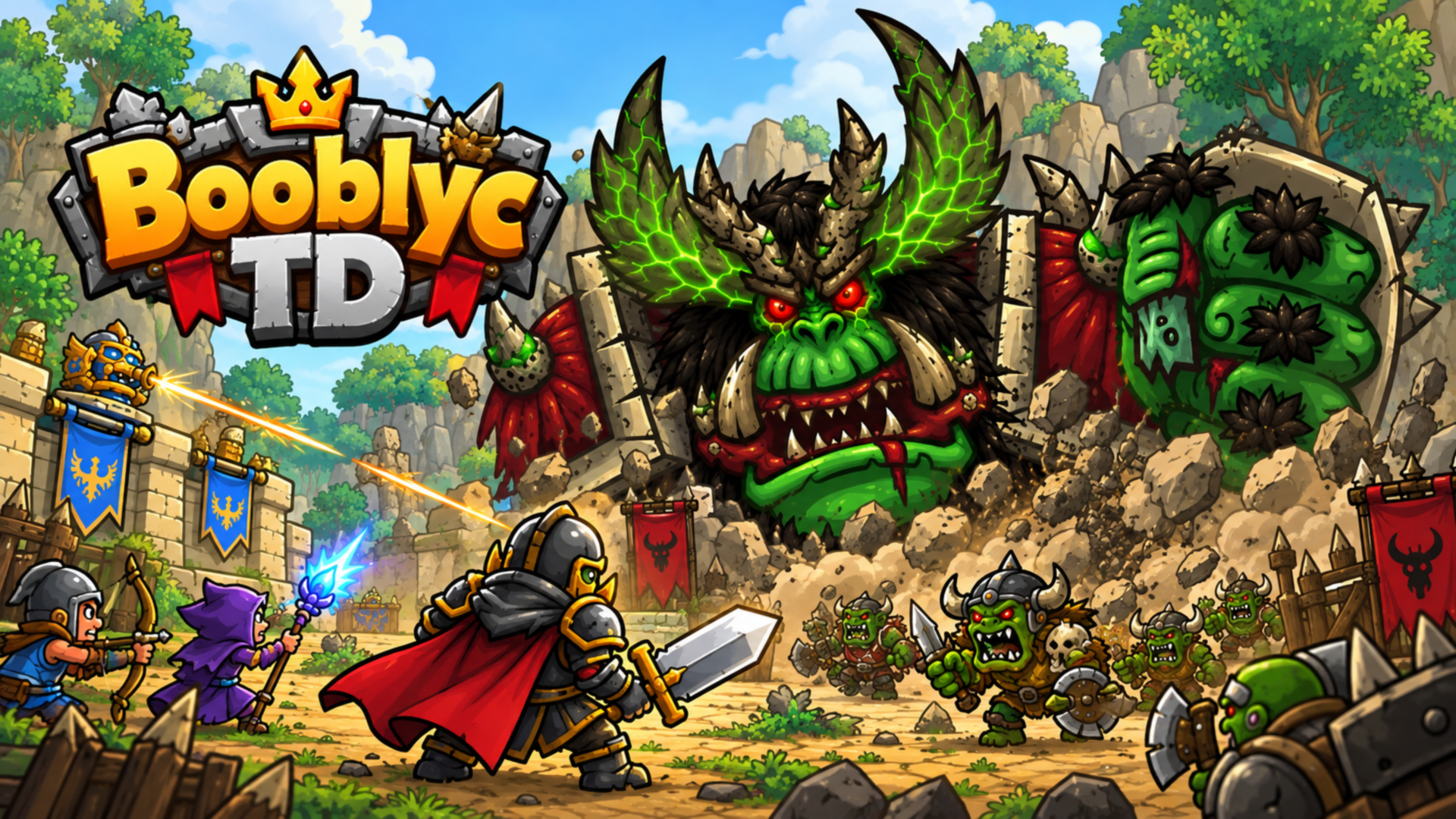
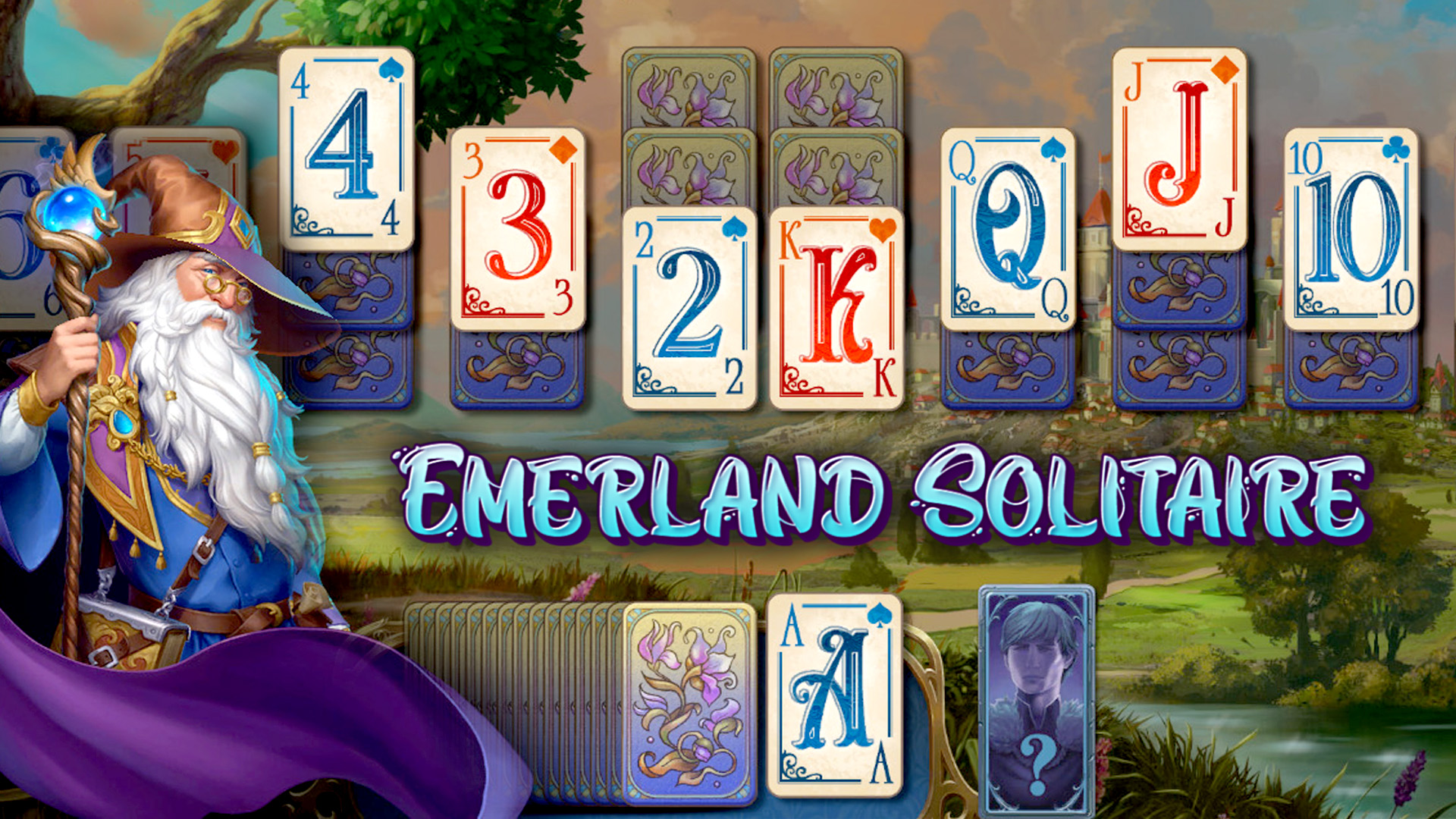
Dungeon Cards sits squarely in the cards games category, and fans of deck-building roguelikes will find plenty to explore nearby. Deck Beasts shares the roguelike draft-and-relic loop, swapping dungeon floors for pixel-art beast squads battling through the warp. For a card game with a story twist, Booblyc TD: Card Tower Defense layers over 80 collectible cards onto a tower defense structure where defenders can be repositioned mid-wave. Emerland Solitaire takes a lighter card-puzzle approach through a magical world with knights, elven archers, and a sorceress facing a Dark Master. If head-to-head card dueling appeals after Dungeon Cards' solo descents, Tavern Cardsharp pits players against rivals across a three-floor ladder with 15 classes and foil cards on the line.
The broader strategy games collection is worth browsing for more titles that reward careful planning and resource management.