About Game
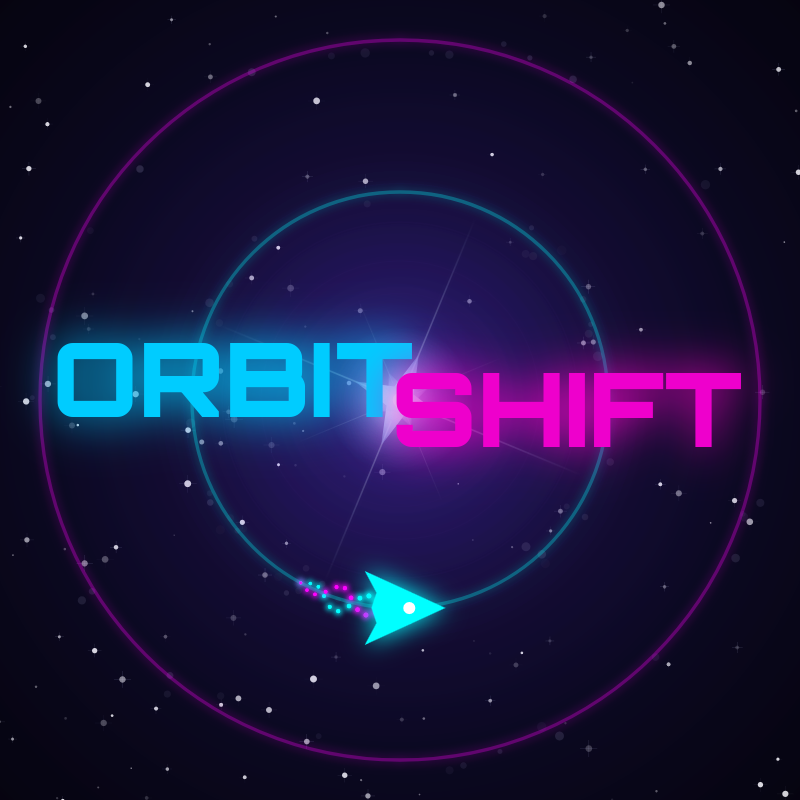
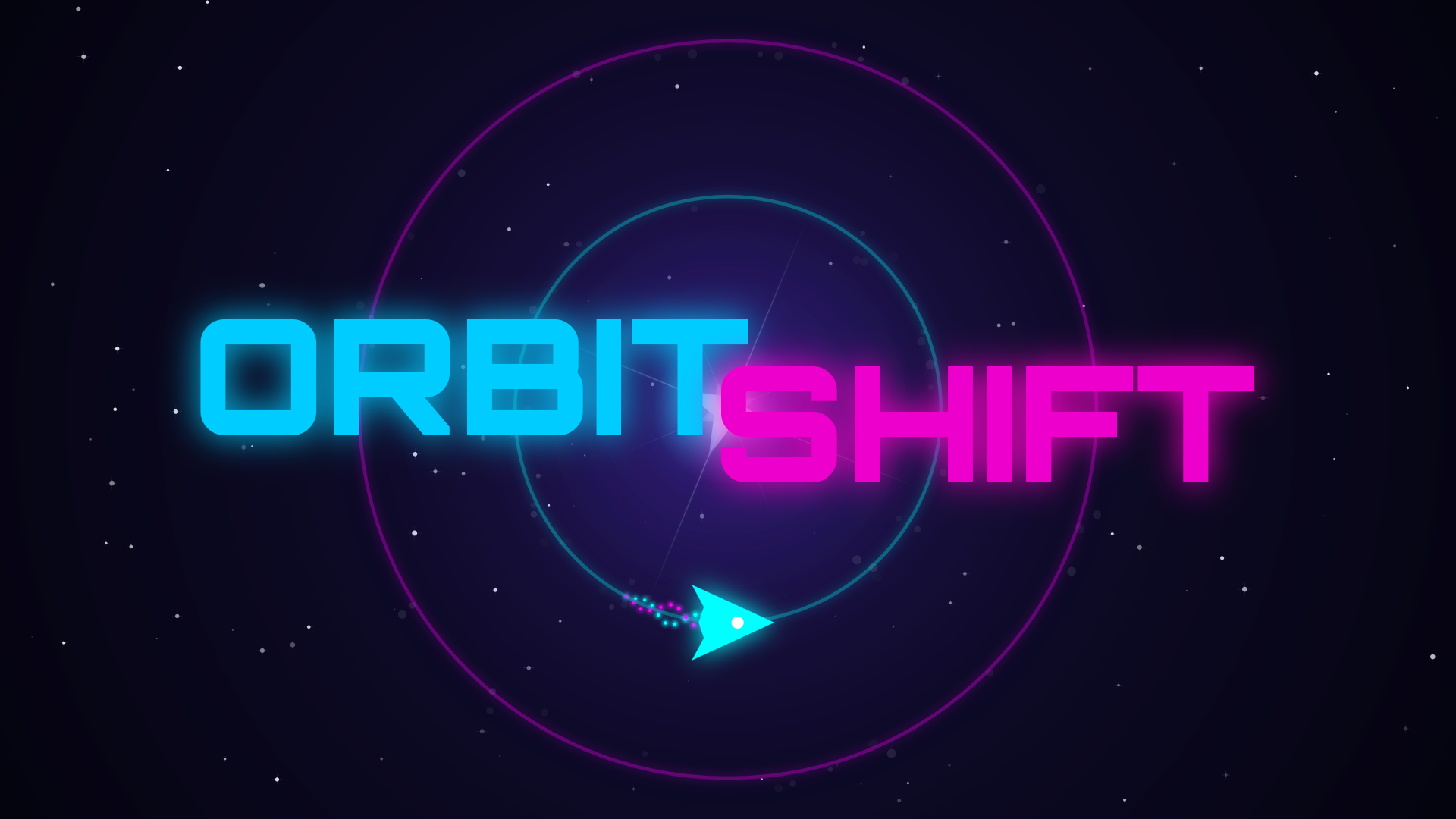
Orbit Shift drops you into a dying star's gravitational pull — two concentric rings, two lanes, one move. Tap to switch. Don't get hit. How long can you last? This one-tap lane-switching endless arcade game makes reflexes the only currency. Comets, shooting stars, and meteors spawn at 12 o'clock and spiral clockwise toward your ship sitting at 6 o'clock. Your sole option is shifting between the inner and outer ring, but timing that single move perfectly — over and over, faster and faster — is everything. Each stage runs exactly 60 seconds and escalates in speed and obstacle density, climaxing in a surge: a dense, rapid-fire onslaught that gates the next stage. Difficulty pulses in waves rather than a straight climb, giving brief recovery windows before the pressure builds again. By Stage 5, gaps between hazards shrink to fractions of a second. Survival time is your score, stacked against your personal best. No checkpoints. Every run starts from zero. Cosmetic unlocks — trails, ships, and color schemes — are tied to real gameplay achievements. All purely visual, no pay-to-win, no randomness.
How to play
Dodge obstacles, collect shield crystals, and survive as long as possible. Tap, click, or press Space to switch your ship instantly between the inner and outer orbital rings — no cooldown, no animation delay. Read the incoming pattern and keep switching to whichever ring is clear, timing each move to slip through the gaps. When a hazard is about to hit your ring, the ring flares red as a last-second visual warning. The best runs happen when you're already on the safe ring before it lights up, but the flare is there as a backup. Shield crystals appear between the two rings; time a switch so your ship passes through one. Collect three and your shield activates, absorbing the next hit before shattering. Crystals sometimes appear in tight spots between obstacles — skip risky grabs while learning the rhythm, and go for them once your timing is sharp. Strategy-wise, don't react to the obstacle directly in front of you. Read two or three ahead and queue switches as a sequence. Frantic tapping kills runs; clean, deliberate timing carries you deep. Each stage ends in a surge where both rings glow red — survive it and the next stage begins, faster and with new obstacle patterns.
Controls
- Tap / Click / Space: Switch ship between inner and outer orbital rings
Games You Might Like
For more reflex-driven challenges, skill games on Playgama cover the full spectrum of precision arcade play. Geometry Arrow 2 hits the same one-tap obstacle-dodging rhythm inside a clean, high-contrast vector environment. PLAYMUSIC wraps the same endless dodge-and-survive loop in a glow-heavy aesthetic that matches Orbit Shift's visual energy. Rooftop Run trades orbital rings for city skylines but keeps the split-second decision-making and endless survival format intact. More fast-paced options like these live in the broader arcade games catalog.