
About Mahjong Match: Match Three Mahjongs to Clear the Board
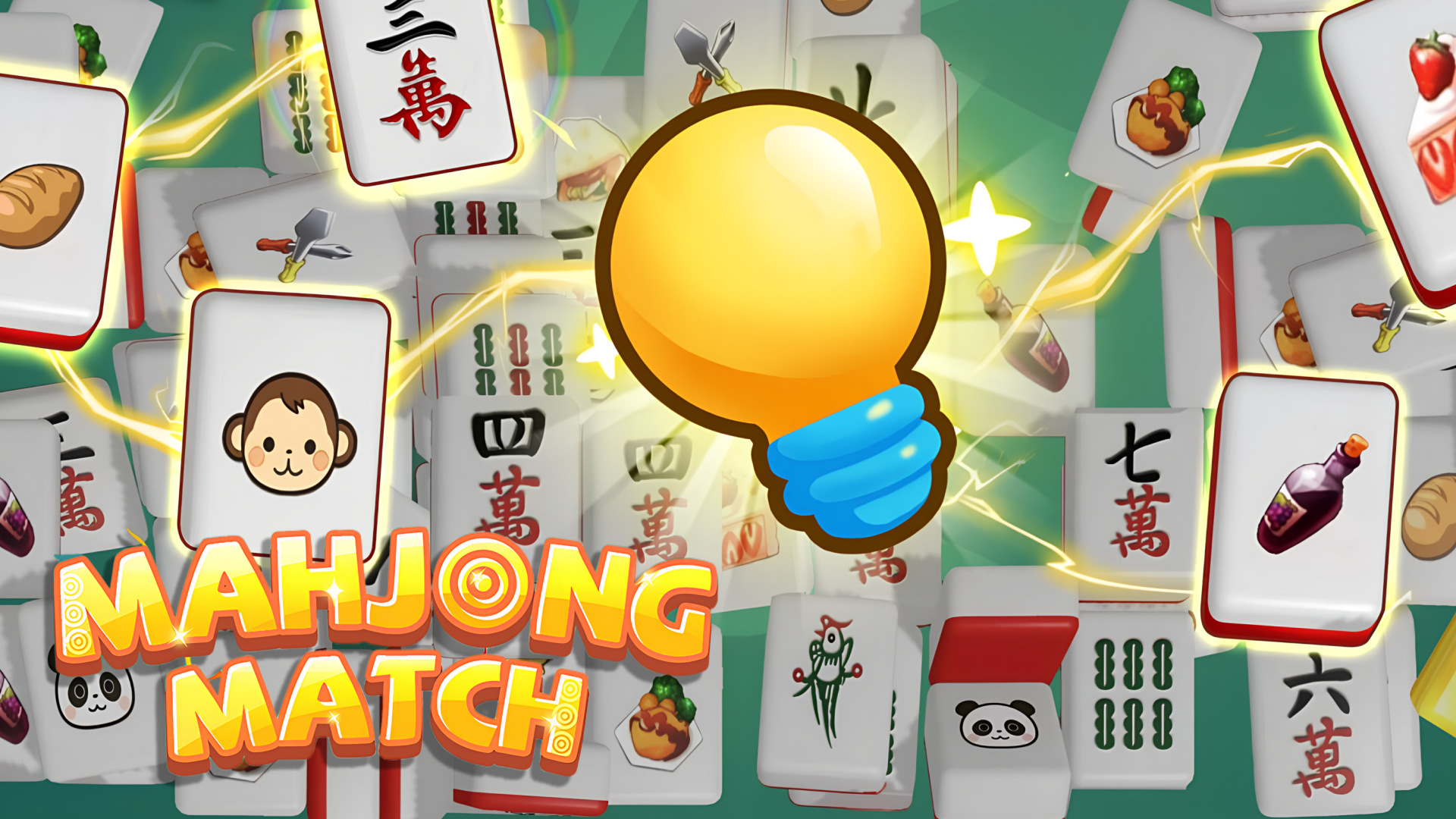
Mahjong Match puts a strategic spin on classic tile puzzles, challenging you to clear each board by matching three mahjong tiles of the same color. Every level arrives with a fresh arrangement of tiles, keeping the puzzle variety alive across the whole experience. In one scene, a yellow and white segmented cylinder with a blue base rests atop a pile of tiles.
How to Play Mahjong Match: Plan Moves and Match Three
The objective in Mahjong Match is straightforward: find and match three mahjong tiles of the same color to remove them from the board. Careful planning is the key to working through each level and claiming victory.
Controls
- Click / Tap: Select a mahjong tile to match
Games You Might Like
Fans of tile-matching puzzles will find plenty to enjoy across matching games on Playgama, where the same satisfying clear-the-board challenge appears in many forms. Master of 3 Tiles shares the same match-three-identical-tiles mechanic with levels that grow progressively more demanding. Match Clear adds crisp 3D graphics and physics to the familiar task of pulling three identical items from a cluttered pile. Tile Valley is a Mahjong-inspired puzzle with hundreds of levels and a variety of themed tile styles to discover. For a more traditional experience, Mahjong Solitaire tasks you with matching pairs of identical tiles to clear the entire board. The broader puzzle games category is also worth exploring if brain-training challenges are what you are after.