About Goods Sort 3D: Free Sorting and Matching Puzzle Game
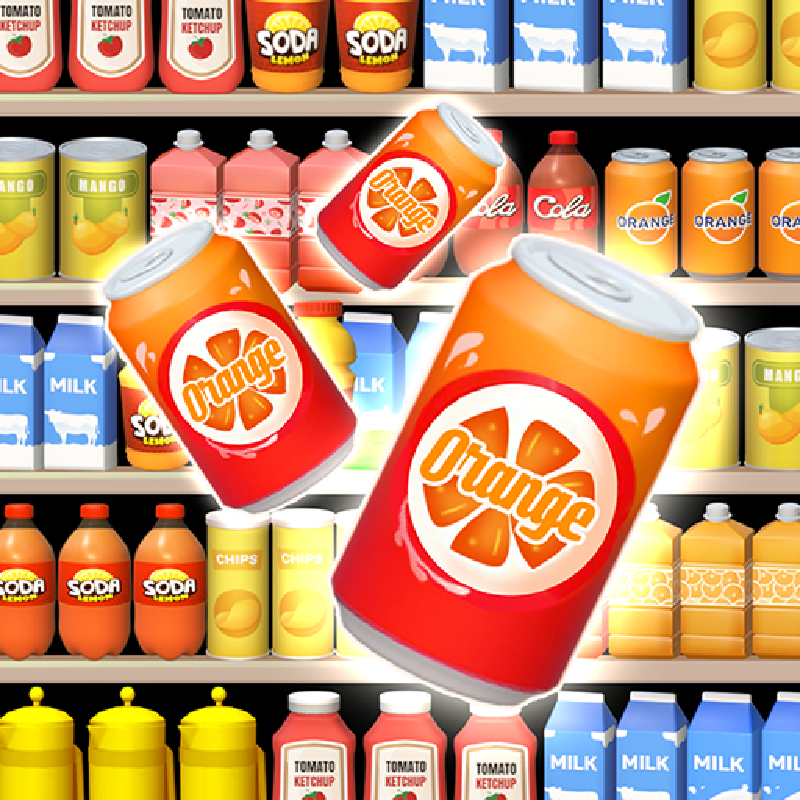
Goods Sort 3D is a triple match puzzle game that blends goods sorting, closet sorting, stuff sorting, and 3D match gameplay into one addictive experience. The premise is simple: start easy, get harder. Each level gives ample time to complete the challenge, making it approachable for anyone who enjoys organizing and relaxing at their own pace.
The game draws together snacks, beverages, and fruits as the items to sort, and completing levels unlocks products with cuter designs and better colours. Wooden-textured square and rectangular cubbies are arranged against patterned walls across several scenes. In one scene, a shelf holds three purple eggs with yellow zig-zag patterns.
If you have spent time with games like A Little to the Left or Fill the Fridge 3D, the satisfying rhythm of Goods Sort 3D will feel immediately familiar.
How to Play Goods Sort 3D: Sort, Match, and Unlock Items
Match & Organize
Match three identical items to clear them from the shelf.
High Scores
Clean and organize shelves to boost your scores.
Explore & Unlock
Complete levels to discover and unlock your favourite products.
Controls
- Tap: Select and match similar 3D items to sort them into groups
Games You Might Like
If the shelf-clearing satisfaction of Goods Sort 3D keeps you coming back, browse the full Match 3 games collection for more triple-match challenges. For a similar find-and-match experience with crisp 3D graphics and satisfying physics, Match Clear tasks you with pulling identical items from a cluttered pile before the clock runs out. Fans of sorting snacks specifically will find Snack Sort a natural next step, with hundreds of levels built around clearing colorful vending machines by grouping snacks into matching sets.
Explore the broader Puzzle games category for brain-teasing challenges of every kind, or dive into the 3d games library to find more titles that bring the same tactile, three-dimensional feel to casual play.