Blockle - Block-Puzzle Journey: Play Online 🧩
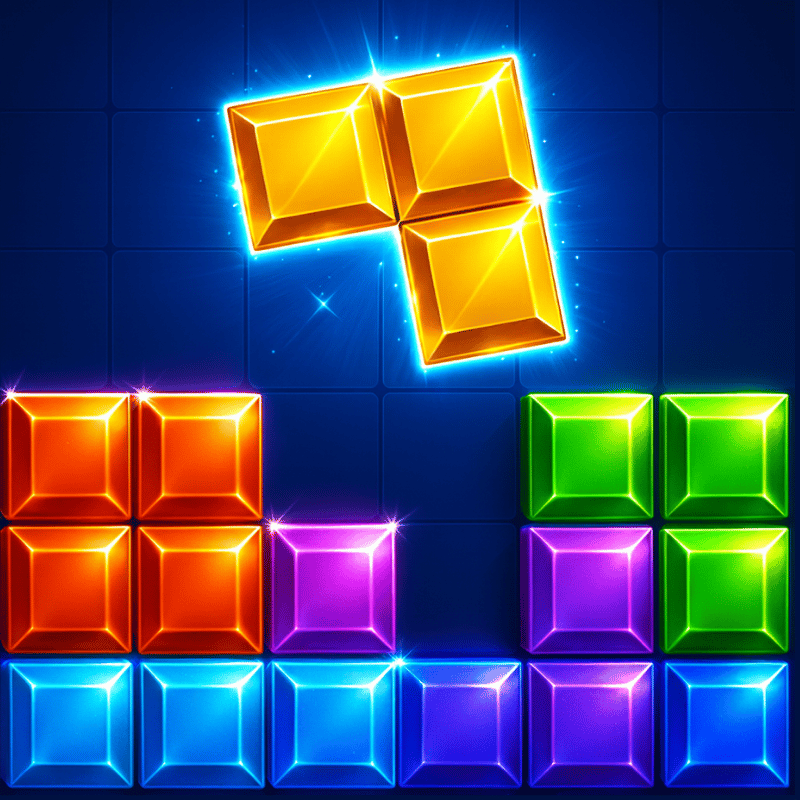
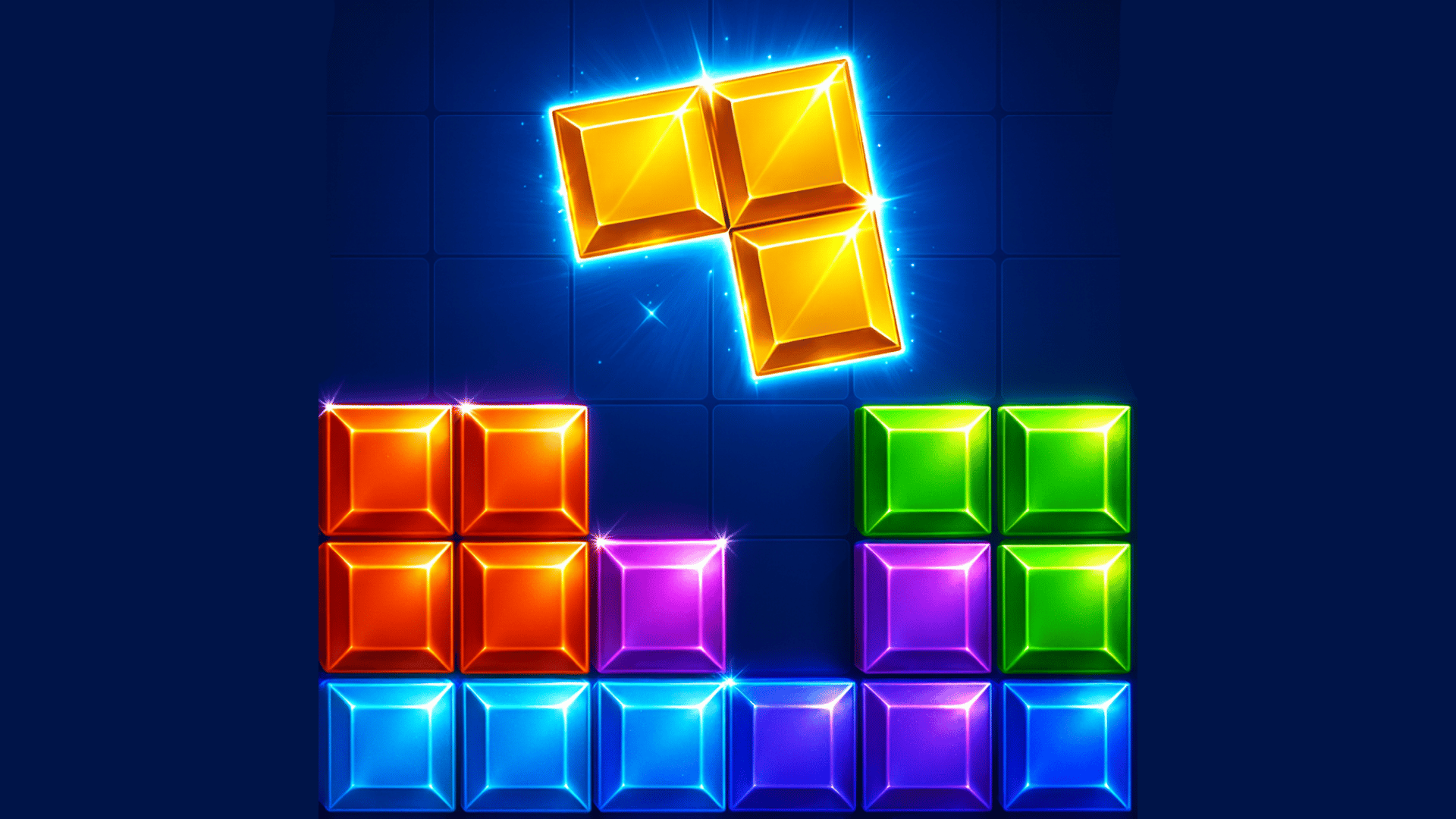
Embark on an intriguing journey with Blockle, where strategic thinking meets the classic puzzle game genre. This free online game invites players to position blocks with precision, aiming to fill lines and clear the board. Whether you're on the phone or the computer, Blockle offers a seamless gameplay experience that captures the essence of timeless block-puzzle fun. No time constraints mean you can savor each move, crafting your strategy to perfection.
Game tips
For those seeking to master Blockle, consider these tips: Always plan several moves ahead to optimize your block placements. Keep your focus on creating multiple lines at once to maximize your clearing potential. Remember, patience is key—there's no rush, so take your time to think through each move carefully. Utilize the edges of the board to create more space for incoming blocks, allowing for greater flexibility and clearing opportunities.
How to play
Begin your Blockle adventure by using your mouse or touch controls to drag and drop blocks onto the board. The objective is to fill horizontal or vertical lines to clear them from the board. As you progress, new blocks will appear at the bottom of the screen for you to place strategically. With no time limit, you can enjoy the game at your own pace, making it perfect for a relaxing gaming session.
How to play Blockle - Block-Puzzle Journey for free?
You can play Blockle - Block-Puzzle Journey for free on Playgama. Take a look at our huge selection of free online games, including Blockle - Block-Puzzle Journey and lots of other great titles.
Controls
The game is controlled through simple drag-and-drop mechanics. Use your mouse or touch screen to select a block, then position it on the board where you see fit. The controls are intuitive, making it easy for players of all ages to get started and enjoy the game.
History or origin
The block-puzzle genre has its roots in the classic games of the 1980s, with the advent of titles like Tetris paving the way for modern iterations. Blockle draws inspiration from these early pioneers, offering a fresh take on the beloved genre with its own unique twists and challenges. This game continues the tradition of engaging players with simple yet captivating gameplay that has endured through the decades.
Description of the game or theme
Blockle - Block-Puzzle Journey offers a visually appealing and mentally stimulating experience. The game revolves around the simple concept of arranging blocks to clear lines, yet it provides endless possibilities for strategic play. With its vibrant graphics and soothing soundtrack, Blockle creates an immersive environment that encourages players to think critically and enjoy the journey of solving each puzzle.
Frequently Asked Questions
Can I play Blockle on my phone?
Yes, Blockle is compatible with both mobile devices and computers, allowing you to enjoy the game wherever you are.
Is there a time limit in Blockle?
No, Blockle allows you to play at your own pace without any time constraints, making it a relaxing and enjoyable experience.
What makes Blockle different from other block-puzzle games?
Blockle offers a unique blend of classic block-puzzle mechanics with modern twists, providing a fresh and challenging experience for players of all skill levels.
Where can I play Blockle for free?
You can play Blockle for free on Playgama, along with a wide selection of other exciting online games.