Abacus Belt - Play Online
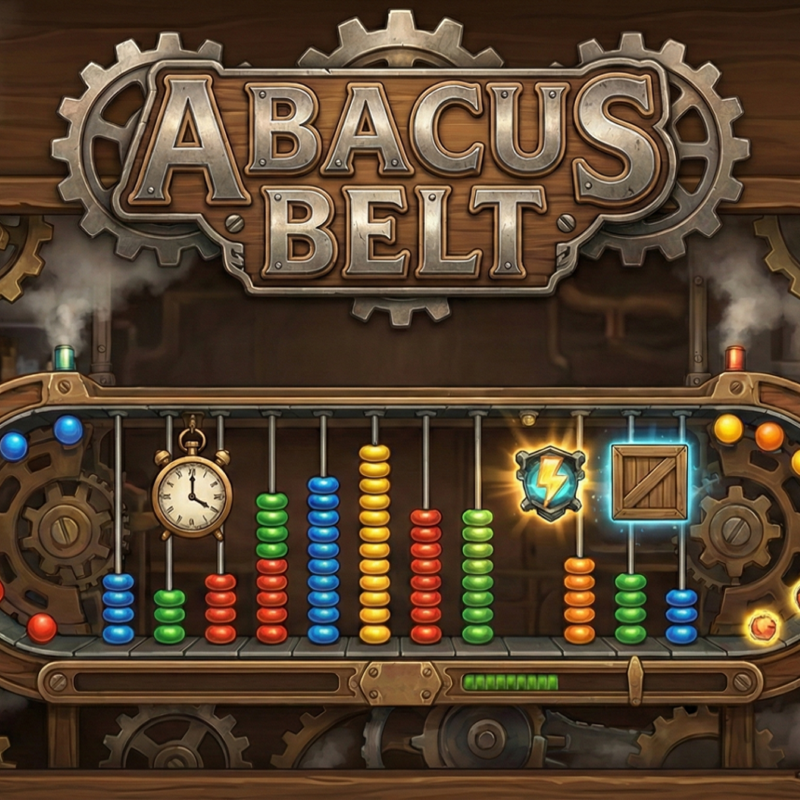
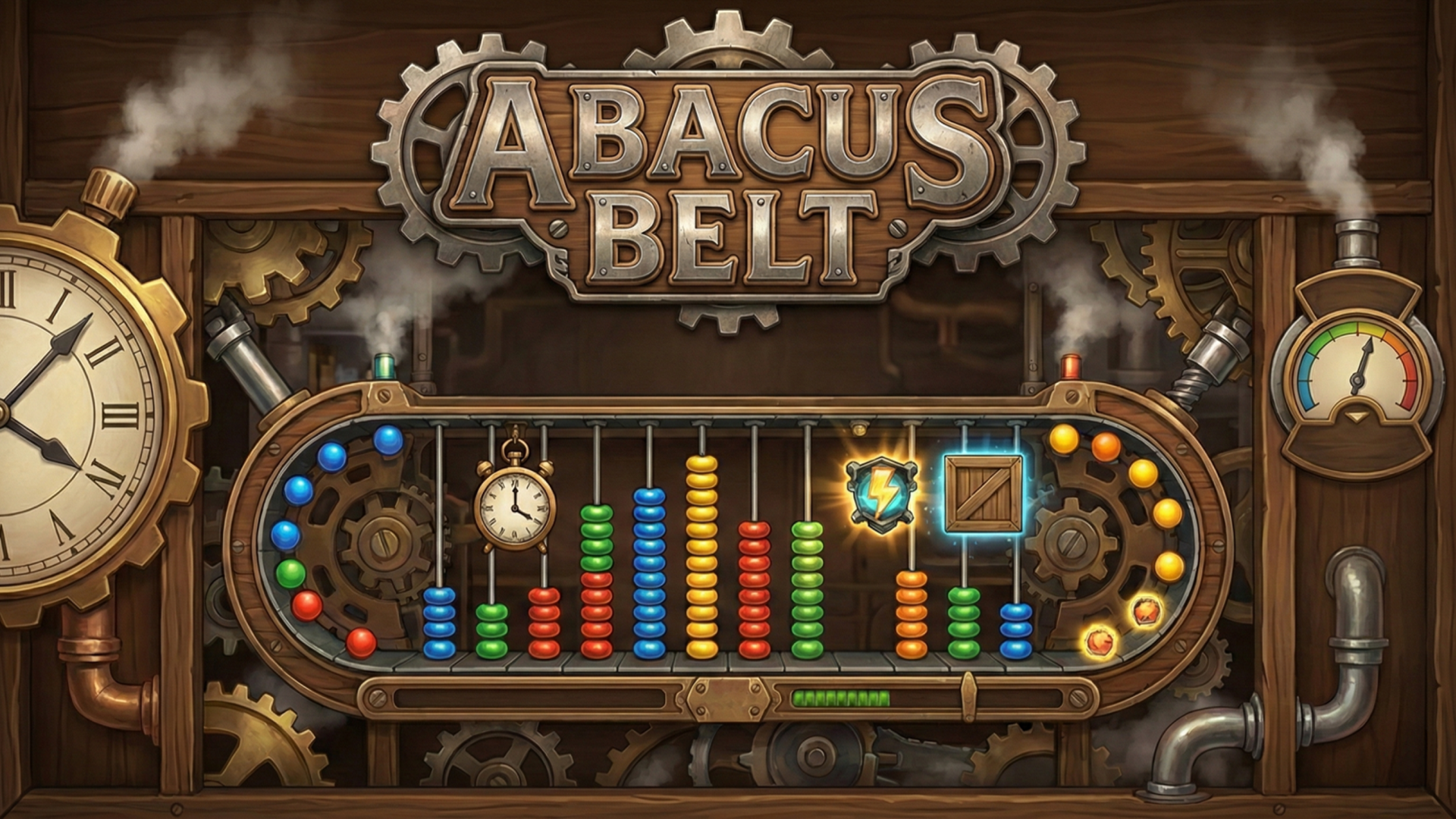
Abacus Belt is a color-matching puzzle game that turns the classic counting tool into a brain-teasing challenge. Your mission? Align five beads of the same color vertically across five rows using a looping conveyor belt system. It's part Bejeweled, part Tetris, with a mechanical twist that keeps your brain sharp and your fingers moving. Perfect for quick sessions when you need a mental workout without the grind.
Key Features
- Color-Coded Challenge: Match beads across 5 vertical columns using yellow, green, blue, pink, and orange spheres.
- Clean Arcade Aesthetic: Minimalist 2D visuals with bright colors and gear-driven UI elements keep distractions low and performance smooth.
- Turn-Based Scoring: Complete levels under the target turn count (displayed as "BELOW 06=BONUS") to earn bonus points and climb the leaderboard.
- Progressive Difficulty: Start at Level 1 and unlock harder puzzles as your pattern-recognition skills sharpen.
How to Play Abacus Belt
Easy to grasp in seconds, but mastering the bonus system takes strategy. The learning curve is gentle—perfect for brain-training breaks.
Controls
Fully responsive on all devices. No lag, just tap-and-go.
- Desktop: Click on any vertical row to drop the bottom item from the conveyor belt into that column.
- Mobile: Touch any vertical row to place the belt's bottom bead. One tap, one move.
Building Your First Match
Start by watching the conveyor belt. The bottom item cycles through beads and mystery objects. Click a column to drop the current item into it. Your goal: stack five identical colors vertically. Sounds simple? Wait until the belt throws curveballs your way.
Racing the Tally Counter
Every move increments the mechanical tally counter on the right. The "BELOW 06=BONUS" marker is your speedrun target—finish the level in under 6 turns to unlock a bonus score (like the 197 points shown at Level 1 completion). Plan your moves. Waste a turn, kiss the bonus goodbye.
Clearing Levels and Climbing Higher
Complete all five columns to see the victory screen (yes, the sunglasses emoji is your reward). The next level immediately loads with a fresh grid and tighter turn limits. No story, no filler—just you versus the puzzle. How far can you push before the patterns overwhelm you?
Who is Abacus Belt for?
This is your game if you love quick logic puzzles during coffee breaks or waiting rooms. It's designed for casual players chasing high scores, kids learning color recognition, or anyone wanting a low-stress brain workout. Sessions last 2-5 minutes per level, so it fits perfectly into micro-breaks.
The Gameplay Vibe
Zen with a ticking clock. The gameplay loop is meditative—click, sort, align, repeat—but the turn counter adds just enough pressure to keep you alert. The clean visuals and smooth framerates (thanks to lightweight 2D rendering) let you focus entirely on the puzzle. No explosions, no chaos. Just pure pattern-matching flow.
Quick Verdict
If you need a brain-training game that respects your time, Abacus Belt delivers addictive color-matching without the bloat.
- The Hook: The turn-based bonus system transforms casual sorting into a speedrun challenge.
- Visual Sweet Spot: Minimalist design = zero distractions and buttery-smooth performance on any device.
- Pro Tip: Watch the conveyor belt's sequence before you click—planning two moves ahead is the difference between a bonus and a wasted turn.
Release Date & Developer
Abacus Belt was developed by Pixisbak. Released in February 2026.